Before Margaritaville, There Were the Coral Reefers
Occupational Hazard takes audiences back to the '70s and early '80s to revisit the origins of the original Coral Reefer Band
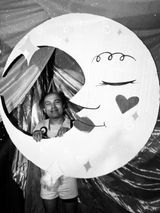
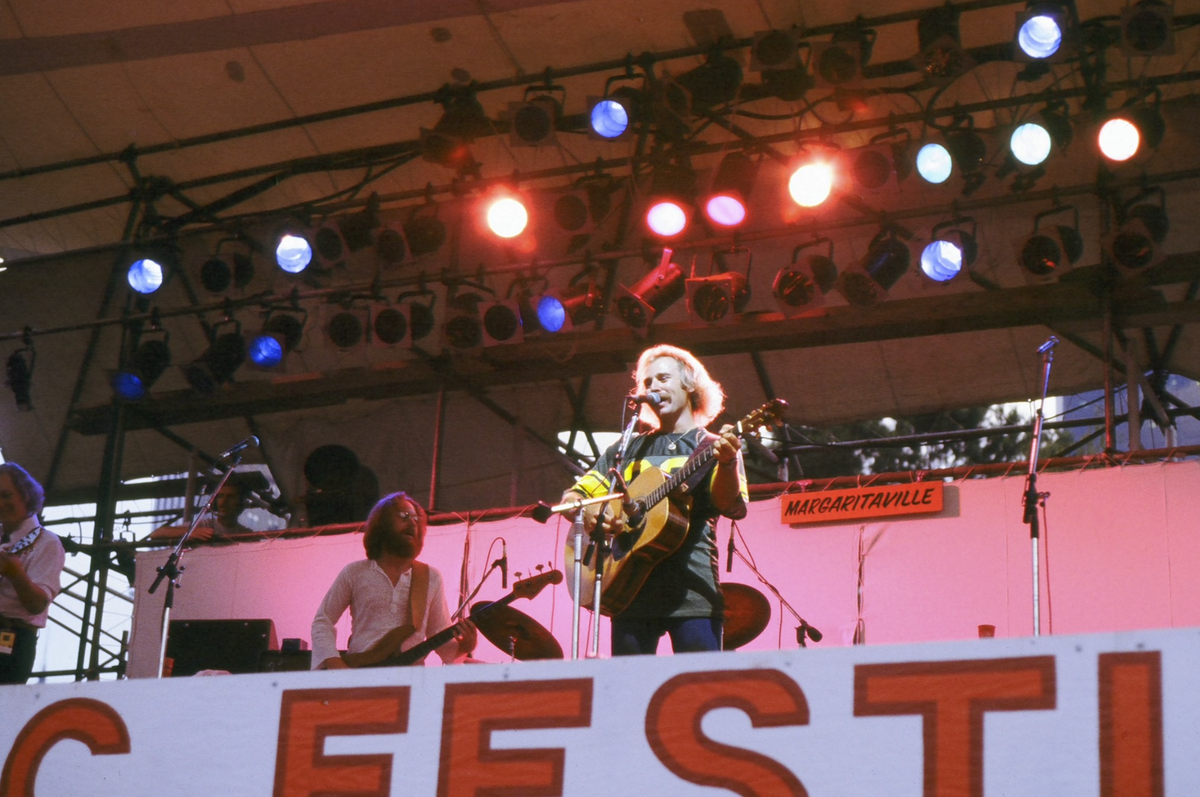
Think you know everything there is to know about one of Key West's biggest stars?
This September, new and veteran fans of Jimmy Buffett will be able to add to their repertoire of latitudes and attitudes, pirates and Monday mornings with the Key West premiere of a new documentary that spotlights the musical legend and band whose names instantly bring to mind this southernmost music city.
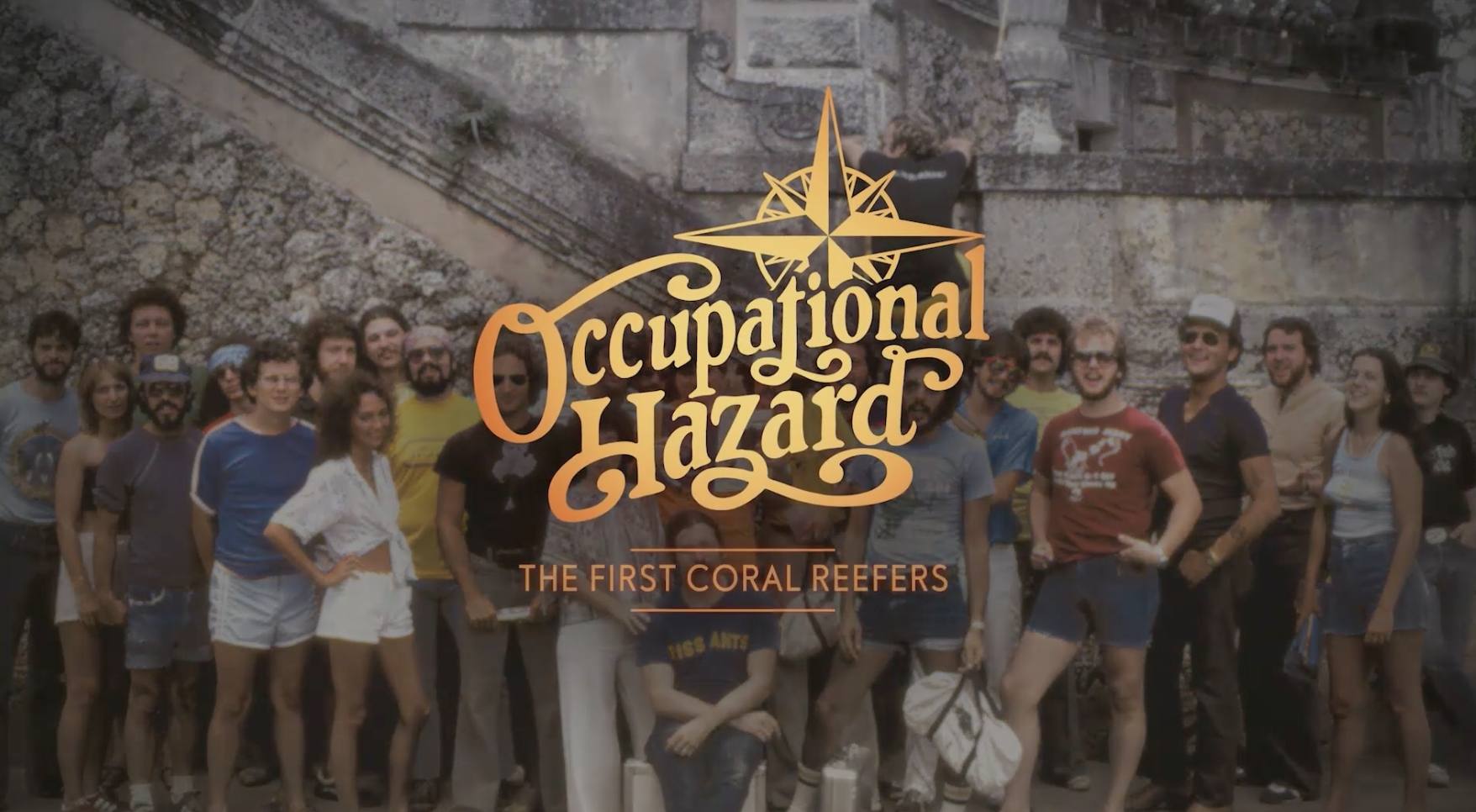
Occupational Hazard: The First Coral Reefers, is narrated by Academy Award-winner Jeff Bridges. It takes audiences back to the '70s and early '80s to revisit the origins of the original Coral Reefer Band plus all the musicians, studio sessions, personalities, and divisions that ultimately propelled the group to stardom, at a moment when the creative influences of Key West shined through on to the national stage.
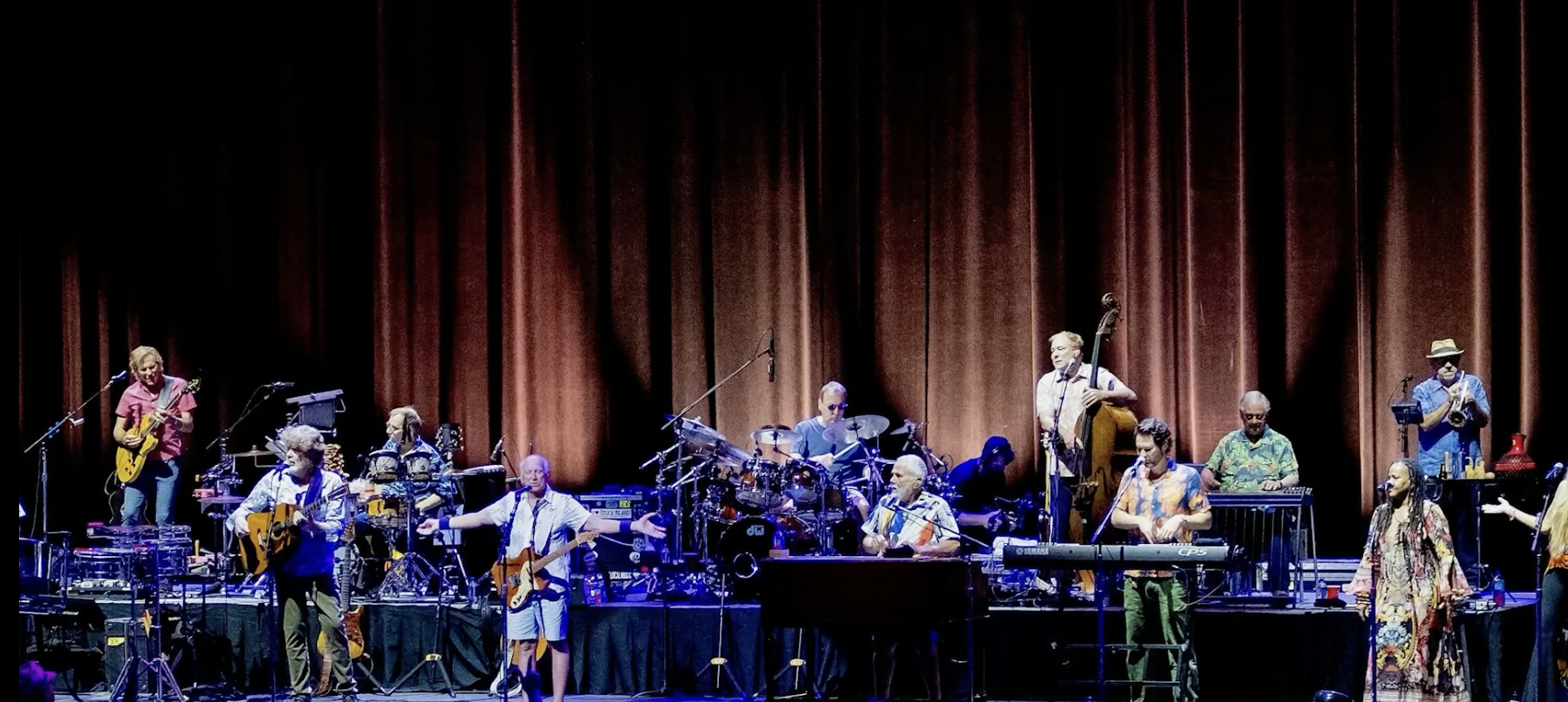
Director John H. Cunningham and producer Ted E. Haynes worked with cinematographer Troy Jackson and film editor Richard Lowe on the project.
Cunningham, who moved to Key West in the late '70s, like many, had friends who had known Buffett for several years, during the infancy of a now infamous career. The filmmakers wanted to focus on the first cohort of Coral Reefers, before it took flight in front of hundreds of thousands of Parrotheads.
In those first years Cunningham lived here, he recalled an island without much of the aesthetic or infrastructure buildout that, even for a small island, it has today. Neighborhoods existed in various states of disrepair, far removed from the much more polished product tourists encounter now. Tourism was still something of a fledgling by-product of people looking for paradise with an edge.
Certainly nothing with the draw of a stylized Margaritaville today.
"It was kind of a hippie culture, and shrimpers, and the smugglers were starting to get more involved and get a bigger role in what was happening in the community, but it was a ragged time."
Haynes, on the other hand, had been a fan since his sister gave him a Buffett cassette when he was a teenager. A tape that seemingly never left his Ford Tempo.
He often recounts seeing people approach Roger Bartlett, an original guitarist with the Coral Reefers, and ask if he knew any Buffett songs to play.
Bartlett, of course, had spent the early years on the road as a duo with Buffett, including around the success of Come Monday.
Encounters like that served as an impetus for Haynes to wonder whether the public version of the Buffett-Reefers era had been substantially undertold. For even self-proclaimed die-hards to have no idea who Harry Dailey or Keith Sykes were felt almost like an injustice.
Did people really know the critical roles and contributions of the band members, crew, friends and supporters?
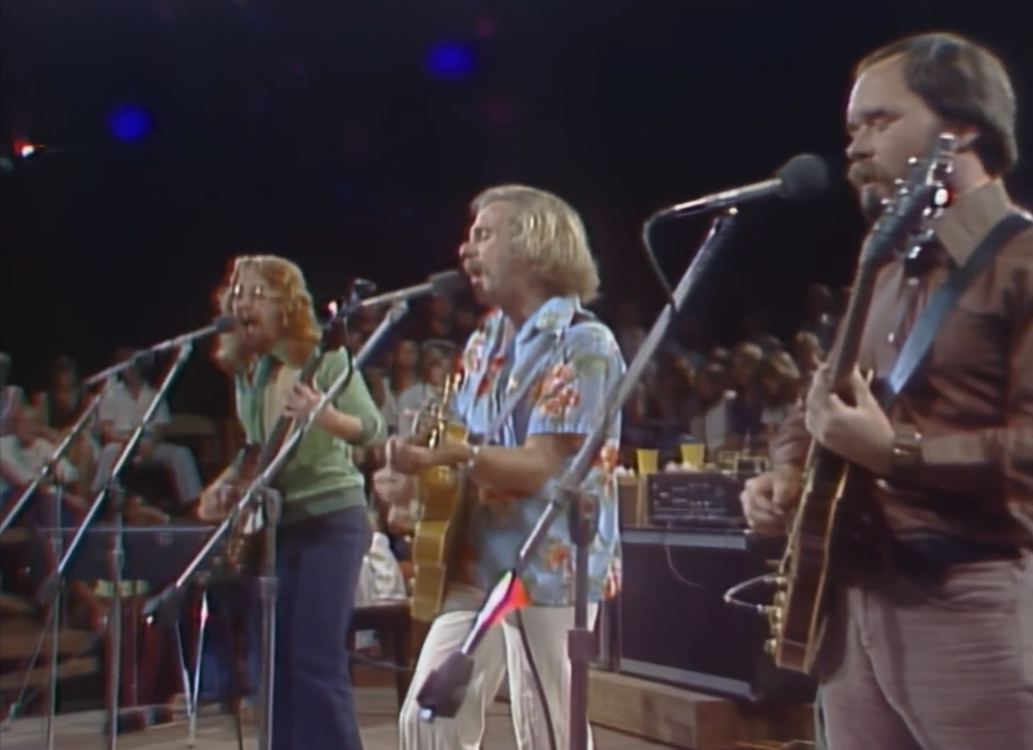
"To be able to highlight their stories and let people know what their influence and involvement was, I think is important," Haynes said.
So how did a future superstar go about assembling a band whose later incarnation continues today, emerging from a much earlier version of Key West that wasn't yet known as a live music destination?
That was one of the biggest questions Cunningham and Haynes asked at the onset of the project. Answering it involved tons of research, retracing and reassembling facts and experiences that fans of the icon thought they knew, often resulting in more nuanced takes that surprised even the filmmakers.
Haynes said they allowed interviews with the numerous people appearing throughout the film to help inform what story actually needed to be told.
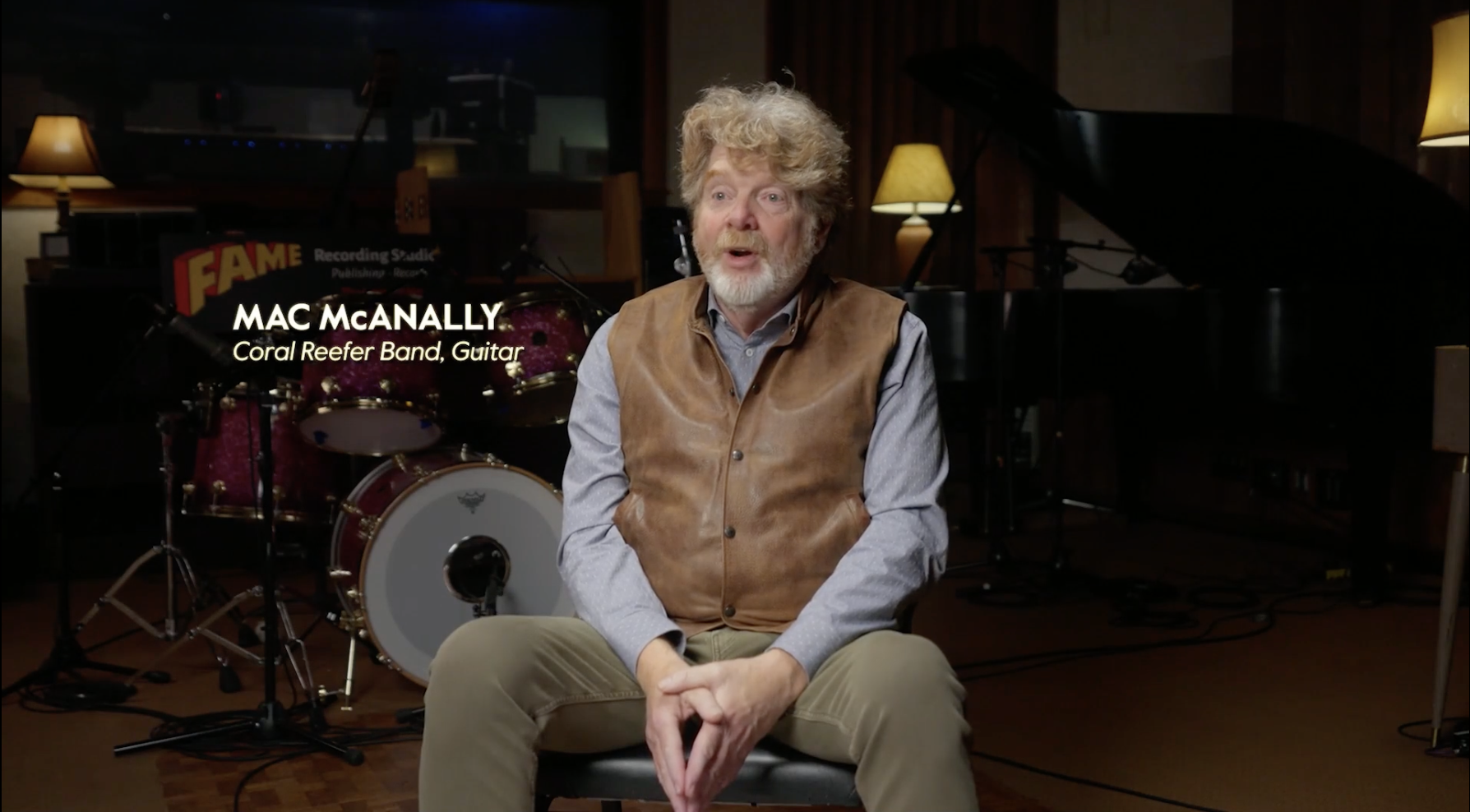
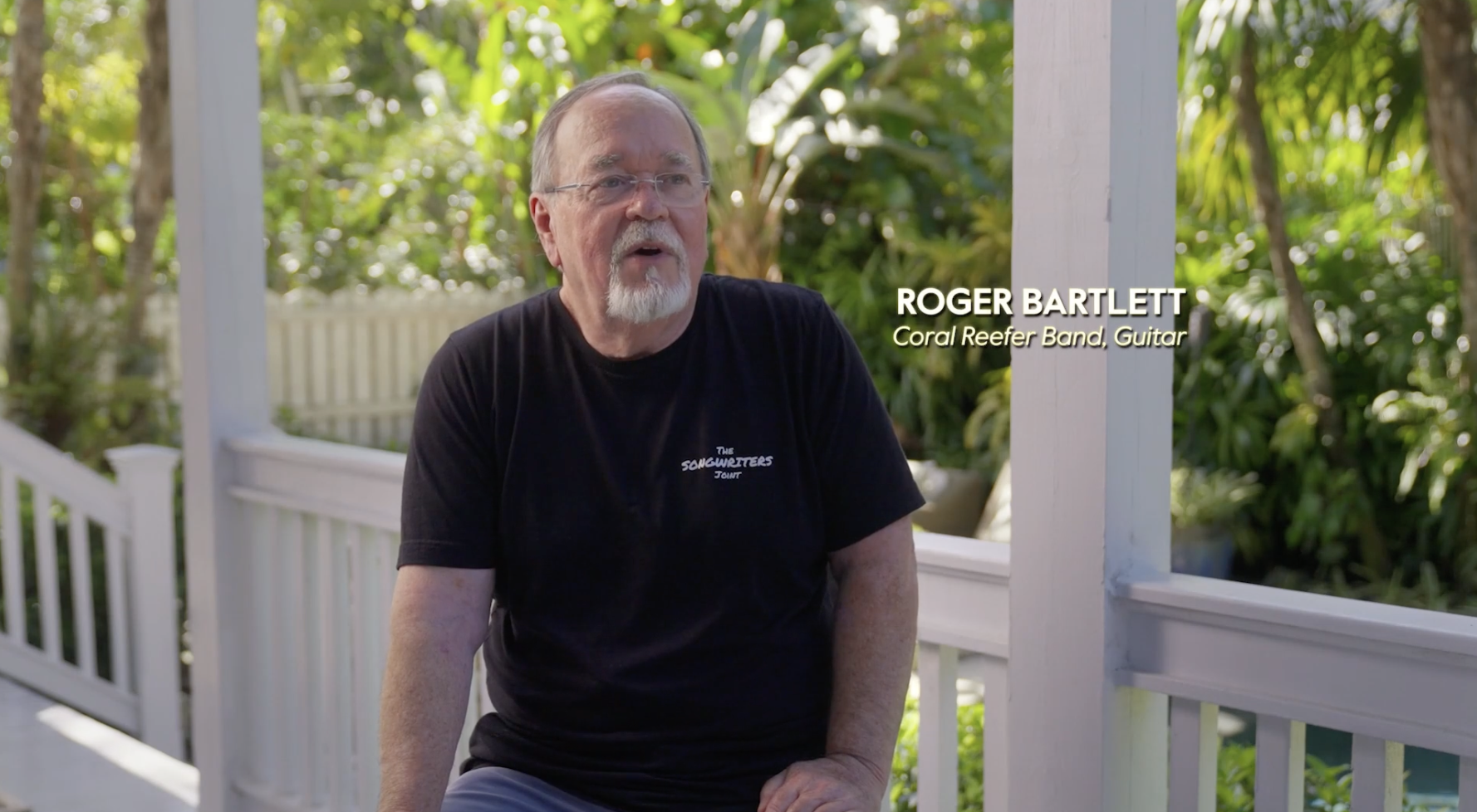
(Greene Street Entertainment, Confluence Productions)
Even as the crew learned plenty along the way, he and Cunningham were especially surprised by certain tidbits and revelations, ranging from the involvement and influence of legendary local bartender Chris Robinson to musician Vaughn Cochran, who could throw down with a washboard.
Take producer Norbert Putnam's push to introduce Caribbean instrumentation into Buffett's sound, steel pans, wooden flute and marimbas among them. Buffett was initially skeptical of the idea.
Maybe not so much in the end.
Then there was writer Tom Corcoran, a former bartender who served Buffett before going on to co-write important songs including Fins and Cuban Crime of Passion.
"But moreover," Cunningham explained, "they were sailing buddies and they were partying buddies and they were all part of this Club Mandible group, which was Tom McGuane and Jim Harrison and Chris Robinson and Buffett, and all these guys. And they were just a name for a group of a bunch of guys that wanted to go party and have a good time."
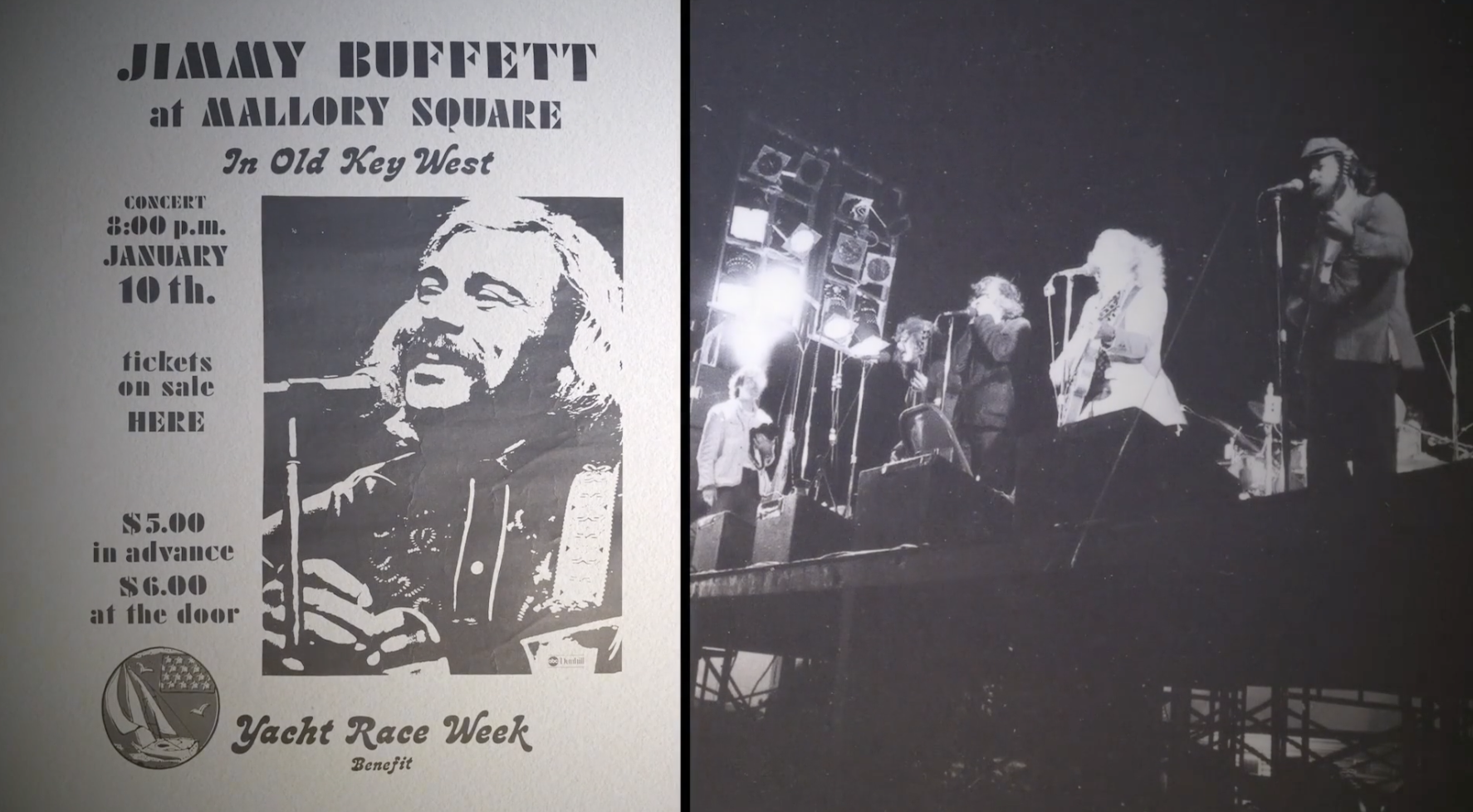
A huge selling point for audiences at the Key West premiere, which has already prompted the addition of a second screening, is, of course, getting to see older footage and photographs, much of which has gone unseen.
Cunningham explained that Corcoran had a camera during this period. Possibly the only guy with a camera who regularly interacted with the bunch.
He took photos everywhere they went.
Corcoran, who died several years ago, was described as being particularly guarded with this cache of images.
"We were very fortunate to connect with his estate who allowed us to license photographs from that time," Cunningham recalled. "And he's got a room full of boxes of slides and photos and things like that, of not only Buffet in that group, but what Key West looked like in that time period."
That was crucial, since the filmmakers wanted to make the island something of a character in their story as people increasingly know Key West only through the 21st-century version they come here to see.
The documentary also revisits the "Heavy Artillery Years," a term attributed to Greg "Fingers" Taylor to describe the rumbustious, boozy partying days of Buffett and the Coral Reefers.
Cunningham believes that, to an extent, it became destructive
"Roger [Bartlett], he called. He said, 'I got to leave the band.' Jimmy was shocked because they were really just starting to take off."
Bartlett perhaps recognized that, at that moment, the lifestyle had become too much.
Cunningham said another band member, whom he declined to name, left around roughly the same period and died of an overdose many years later.
"But you get that into your system," Cunningham said, "it's not that easy to walk away from. And we wanted to be respectful of Jimmy and the family and everything else. So we weren't trying to create an exposé, and we were letting the people tell their own story."
In the few years since Buffett's death, the world has found countless ways to celebrate his music and numerous business ventures, some artistic: new festivals and literature, swapping stories, streaming his songs, dusting off CDs, preserving cassettes and attending concerts by the current Coral Reefer Band.
Everyone has a Jimmy Buffett story to tell.
Occupational Hazard makes the case that that many other people helped create it.
And now, one of the fuller versions of that story is finally coming home.
TICKETS: Occupational Hazard premieres September 5 at the Key West Theater with an additional screening on September, 7 presented by Greene Street Entertainment, Confluence Productions, and Evan Saxon Productions Presents
Jimmy took tips. So can we.